

A message from Provost Terence R. Flotte
UMass Chan is committed to transparency, regulatory compliance and highest standards of lab animal welfare while advancing research that benefits patients and public health.

A statement from Terence R. Flotte, MD, the Elisabeth Chair for the Dean of Medicine, provost, executive deputy chancellor, and dean of the T.H. Chan School of Medicine
In keeping with UMass Chan Medical School’s mission to advance the health and wellness of people in Massachusetts and across the world, our researchers have developed novel therapies for infants, children and adults with life-threatening diseases, and we are committed to protecting the safety of those patients, which necessitates safety testing in laboratory animals.
Our scientists have made pivotal advances in HIV, cancer, diabetes, heart disease, stroke, ALS and infectious diseases, and have advanced science’s understanding of the molecular basis of disease. Our Nobel laureates’ seminal discoveries in RNA biology have transformed the field of molecular biology and catalyzed the development of innovative new treatments for patients with genetic diseases.
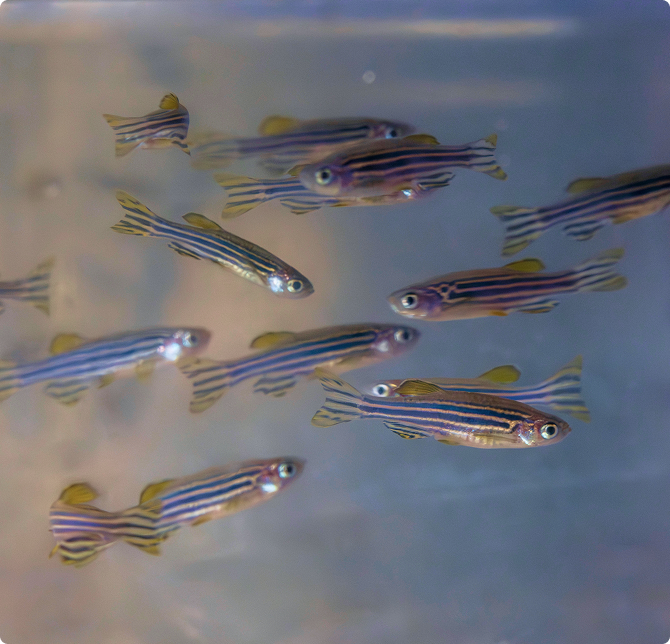
Importantly, these scientific and clinical breakthroughs would not have been possible without the use of laboratory animals. In fact, most modern medical treatments have been made possible, in part, through research involving animal models of human disease. The creation of vaccines, chemotherapies, immunotherapies and medical devices such as pacemakers and insulin pumps, as well as medications for high blood pressure, infection and fever, were possible because animal models allowed scientists to understand critical biological processes, and test for safety and effectiveness in humans.
The use of laboratory animals in research provides invaluable insights into disease mechanisms. It allows scientists to identify therapeutic targets and design treatment strategies for patients. Like all research institutions that utilize laboratory animals, UMass Chan uses them only in studies that require observation of the whole organism to understand the complex interactions of different physiological processes.
UMass Chan is committed to upholding the highest standards of laboratory animal welfare in its research programs. We are dedicated to rigorous compliance with all regulations governing the ethical and humane treatment of animals in research. We strive to abide by all policies and laws concerning the care of animals, which is an integral part of the institution’s research work. Animal care professionals and administrators regularly review procedures regarding animal use protocols.

UMass Chan is regularly inspected by the U.S. Department of Agriculture and recently earned full reaccreditation by AAALAC International, a private, nonprofit organization considered the gold standard in improving animal welfare in science.
In March 2026, AAALAC commended our lab animal program, noting that it provides a “high quality program of animal care and use.” The accreditation letter stated,
“Especially noteworthy were the highly engaged and supportive executive leadership, evidenced in part by the investment in facility maintenance, new buildings and facility upgrades; the clean and well managed animal facilities, surgery suites, procedure rooms, behavioral spaces and laboratories; the excellent management of non-controlled drugs and supplies; the well trained and collegial veterinary, animal care and compliance personnel; the engaged and well-educated Institutional Animal Care and Use Committee (IACUC); the positive and collegial relationships between research personnel, IACUC and animal program personnel; the excellent and consistent environmental enrichment for . . . .USDA-covered species; and the appearance of healthy and well-socialized animals.”
The animal medicine program is integral to the mission of the Medical School. As scientists and health care providers, we are committed to transparency, regulatory compliance and meeting the highest standards of animal welfare while advancing research that benefits patients and public health.